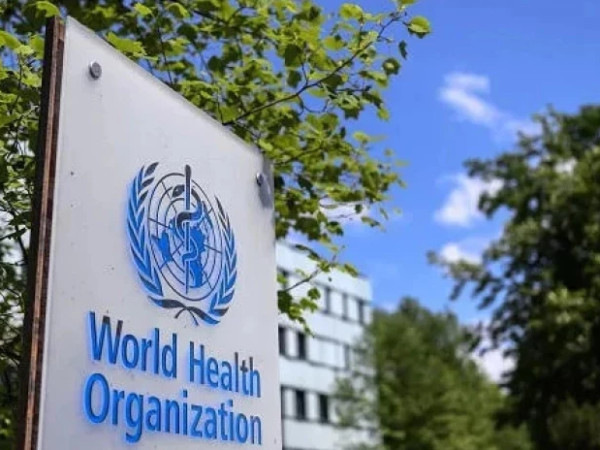


The World Health Organization (WHO) has declared an Ebola outbreak in the Democratic Republic of the Congo (DRC) and Uganda a “public health emergency of international concern” after more than 300 suspected cases and 88 deaths were reported.
In a social media post on Sunday, WHO Director-General Tedros Adhanom Ghebreyesus said the outbreak does not meet the criteria for a pandemic emergency but that neighbouring countries are at high risk of further spread.
Health authorities have confirmed the current outbreak is caused by the Bundibugyo virus disease (BVD), a rare type of Ebola disease that has no approved therapeutics or vaccines. Although more than 20 Ebola outbreaks have taken place in the DRC and Uganda, this is only the third time BVD has been reported.
The WHO said the outbreak could be much larger, given the high positivity rate of the initial samples and the increasing number of suspected cases being reported.
The DRC accounts for all except two of the cases, both of which were reported in neighbouring Uganda, the WHO said.
Officials first reported the spread of the virus in the DRC’s eastern province of Ituri, close to Uganda and South Sudan, on Friday. On Saturday, the Africa Centres for Disease Control and Prevention (ACDCP) reported 336 suspected cases and 87 deaths.
Later on Sunday, a laboratory confirmed a case in the major DRC city of Goma, under the control of the Rwanda-backed M23 militia, health authorities told the AFP news agency.