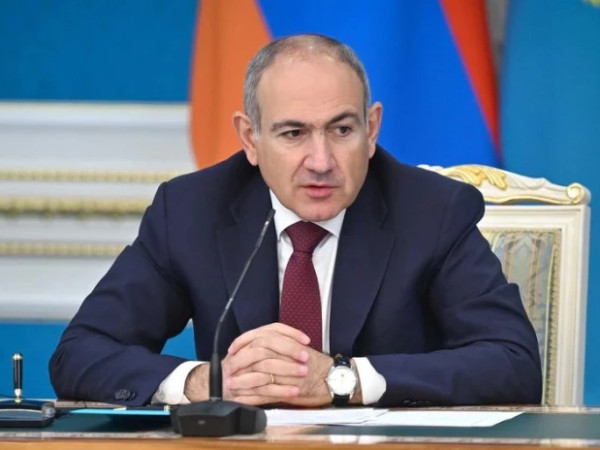


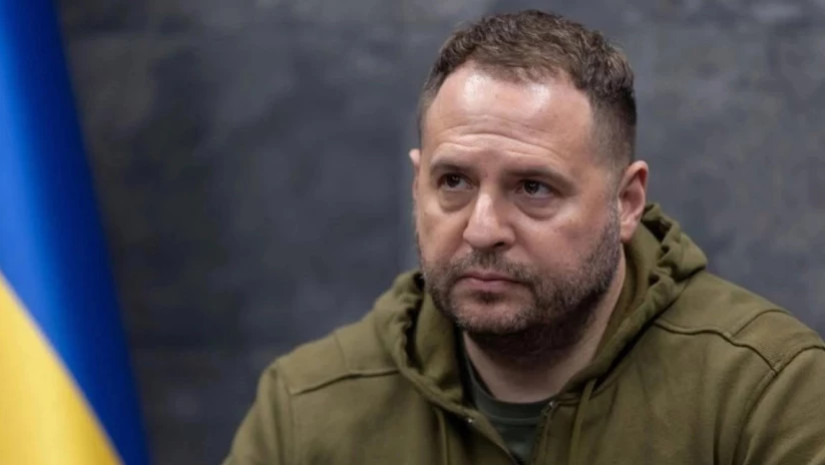
The case against former Presidential Office chief Andriy Yermak brings Ukraine’s biggest wartime corruption scandal to the doorstep of Volodymyr Zelenskyy’s inner circle. Investigators say alleged Energoatom kickbacks helped finance luxury estate construction in Kyiv Oblast — and that pressure may have been applied to NABU experts probing the money trail.
The High Anti-Corruption Court chose a preventive measure for former Presidential Office chief Andriy Yermak on May 14. He left the courtroom for a pretrial detention center, as the UAH 140 million ($3.2 million) bail set for him has still not been posted.
During his time in office, Yermak became the official closest to Volodymyr Zelenskyy. He is now the person closest to the head of state or presidential institutions to be notified of suspicion by NABU. Before him, the list included Zelenskyy’s friend and business partner Tymur Mindich, deputy Presidential Office heads Andrii Smyrnov and Oleh Tatarov, former Deputy Prime Minister Oleksii Chernyshov, former Energy and Justice Minister Herman Halushchenko and former Presidential Office adviser Artem Shylo.
SAPO prosecutor Valentyna Hrebeniuk said Yermak is suspected of using criminal proceeds to build one of the houses in the Dynasty complex in the village of Kozyn, Kyiv Oblast. “Specifically, their use, their conversion into future real estate and unfinished construction projects, and the concealment of the origin of such funds,” she said at a High Anti-Corruption Court hearing. In legal terms, the case involves a Criminal Code article on money laundering.
Investigators also believe money from alleged kickbacks at Energoatom was used to build one of the Dynasty cottages, listed in the construction project as “R2” or “residence 2.” NABU and SAPO described those kickbacks in detail in October last year, when they released the results of “Operation Midas.”
During the hearing on Yermak’s preventive measure, the prosecutor laid out investigators’ version of how construction of the Dynasty cooperative began.
It happened almost five years ago: the first construction work at the site began on June 15, 2021. Initially, there were supposed to be not four houses, but five or six. Former Deputy Prime Minister Chernyshov obtained the land for construction through a controlled law firm.