

2025 has proven to be a record-breaking year for global billionaires, fueled by surging AI stocks, major IPOs, and the influence of Elon Musk, reports Forbes.
In October, prediction markets startup Polymarket raised $2 billion at a $9 billion valuation, briefly making 27-year-old founder Shane Kaplan the youngest self-made billionaire in the world — though he held the title for only three weeks. Just days later, AI startup Mercor secured funding at a $10 billion valuation, catapulting its three 22-year-old co-founders into the record books as the youngest self-made billionaires ever, surpassing Mark Zuckerberg.
A similar race unfolded among female billionaires. Taylor Swift, 36, had held the title of youngest self-made female billionaire since 2023 until April, when 30-year-old Scale AI co-founder Lucy Guo overtook her. Soon after, 29-year-old former Brazilian ballerina Luana Lopes Lara became the youngest billionaire following her startup Kalshi’s $11 billion valuation.
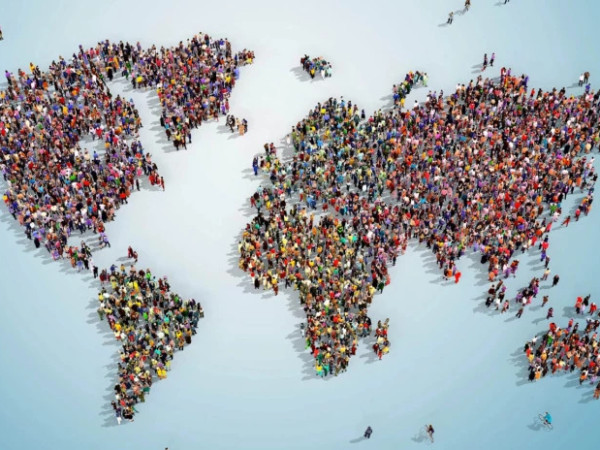
Over the year, more than 340 new billionaires emerged — roughly one per day — hailing from the U.S., China, India, Russia, and even nations like Saint Kitts and Nevis and Albania. The total now stands at 3,148, nearly 50% more than five years ago. Their combined wealth reached $18.7 trillion, up $10 trillion since 2020, with an average billionaire net worth of $5.9 billion.
Billionaires are increasingly leveraging their fortunes for influence. In the U.S., 135 billionaires contributed to the 2024 presidential election, funded inauguration events, and even invested in White House renovations. Some have entered government positions — the wealthiest in U.S. history. Jared Isaacman, for example, now heads NASA, while Czech agri-entrepreneur Andrej Babiš became prime minister. Clearly, we are entering the era of billionaires.
Elon Musk led the charge in wealth growth. Starting the year with $421 billion, Musk became the first person ever to surpass $500, $600, and $700 billion by December. Gains from Tesla and SpaceX added $333 billion to his fortune — more than the total net worth of the world’s second-richest person, Larry Page. Meanwhile, Oracle co-founder Larry Ellison achieved the largest single-day wealth gain in history on September 10, as Oracle shares surged 36%, adding nearly $100 billion to his net worth in one day.
The year saw an unprecedented surge of new billionaires, particularly in AI. Founders of LLMs, startups like DeepSeek, Anthropic, and CoreWeave, as well as entrepreneurs supplying data centers, GPUs, cloud services, and AI tools, all joined the billionaire ranks. Wealth creation was not limited to AI — crypto company Circle, design platform Figma, bulletproof vest manufacturers, satellite makers, and even AI-powered games produced new billionaires.
In total, $876 billion in new billionaire wealth was created in just 12 months. About 40% of these new billionaires are American, but the wave of newcomers spans 32 countries, including China, India, Russia, and Albania, where Samir Mane became the nation’s first billionaire. Two-thirds of these new billionaires are self-made, including 11 under the age of 30 — a global record. The remainder inherited their fortunes, including heirs to Jim Irsay, Giorgio Armani, and the Medline family.
Perhaps most striking is how wealth endures. Eighty-five percent of billionaires were already on the list at the start of the year, and four-fifths are entering 2026 with a net worth at least equal to their 2025 valuation. The era of the billionaires is far from over.