

Deputy Prime Minister Novak says Moscow will begin importing petroleum products in July to stabilize country's fuel market
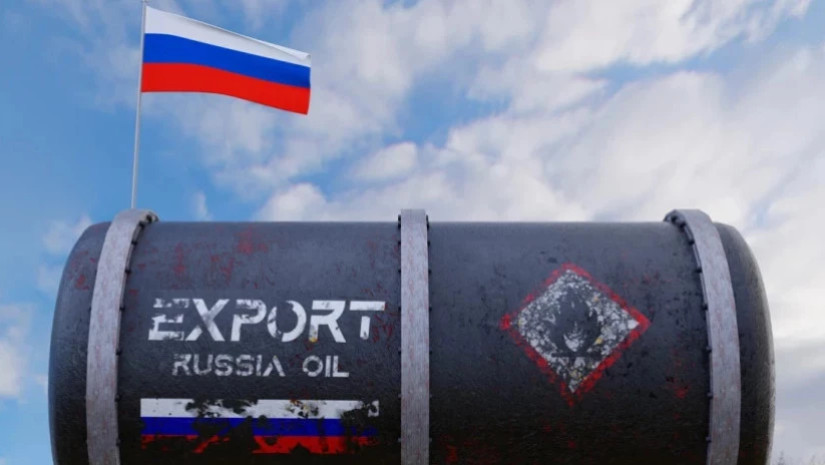
Russia imposed a full ban on diesel fuel exports Wednesday to “increase supplies to the domestic market,” according to Russian Deputy Prime Minister Alexander Novak.
Speaking at a government meeting with Russian President Vladimir Putin, Novak said Moscow will begin importing petroleum products in July to stabilize the country's fuel market.
"We will also begin importing petroleum products in July and increase production volumes by sourcing petroleum products of a lower environmental class," said Novak.
He said the country's fuel market had partially stabilized but remained “challenging.”
"As a result of ongoing terrorist attacks on civilian infrastructure, including fuel and energy facilities, a number of oil refineries were damaged. Consequently, gasoline and diesel production was temporarily and partially reduced," he said.
The government imposed a temporary ban on diesel fuel exports at the end of January. Until now, it only applied to non-diesel fuel producers.
According to the govermental press service, the temporary ban on diesel fuel, marine fuel and gas oil exports, effective until July 31, will apply to petroleum product producers.
Due to recent Ukrainian drone attacks on Russian oil refineries, several facilities suspended operations for maintenance, prompting Moscow to periodically impose restrictions aimed at stabilizing the domestic fuel market.
In early June, Russia imposed a temporary ban on aviation fuel exports through Nov. 30 to help maintain stability in the domestic fuel market.
Ukraine's General Staff said last month that the military struck 16 major Russian oil refineries and fuel terminals between January and June, disabling more than 30% of Russia's oil refining capacity.
Putin acknowledged that Ukrainian strikes on Russia's energy infrastructure had contributed to fuel shortages but insisted the situation remained under control.
"We are currently seeing a certain shortage, but it's not critical," said Putin, adding that damaged energy facilities were being restored quickly.
At the end of June, Kremlin spokesman Dmitry Peskov said Russia plans to buy gas from abroad to stabilize the domestic market, a rare step for a country that imported large volumes of energy resources only in the 1990s after the dissolution of the Soviet Union.