

Only 14 per cent of cities worldwide breathe safe air, a drop from 17 per cent in the previous year.
Swiss pollution monitoring company IQAir analysed data from 9,446 cities in 143 countries, regions and territories, for its newly released 2025 World Air Quality Report.
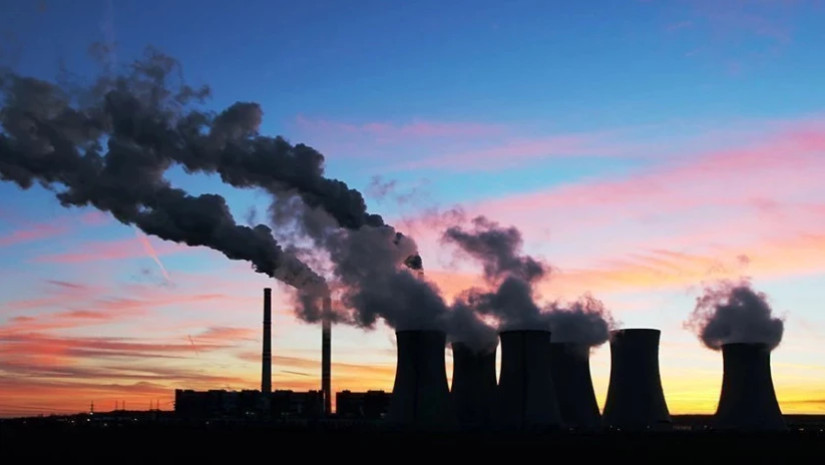
It found air quality is deteriorating globally, largely due to human-caused climate change. Wildfire smoke, in particular, drove poor air quality in 2025, along with dust storms and other extreme weather events intensified by the burning of fossil fuels.
The WHO sets safe limits for PM2.5 or fine particulate matter due to its associated health risks. Their small size – less than 2.5 micrometres in diameter – mean these tiny, inhalable particles can travel deep into the lungs and enter the bloodstream. They have been linked to respiratory issues, cardiovascular diseases, and long-term illnesses like cancer.
In Europe, Andorra, Estonia and Iceland are the only countries that met the WHO annual PM2.5 guideline – 5 micrograms per cubic metre (µg/m³) – in 2025.
They’re among just 13 countries and territories globally that remained within safe limits. The others included Australia, Barbados, Bermuda, French Polynesia, Grenada, New Caledonia, Panama, Puerto Rico, Réunion, and the US Virgin Islands.
That means 130 of the 143 countries covered – or 91 per cent – did not meet safe guidelines.
The five most polluted countries were Pakistan (67.3 µg/m³), Bangladesh (66.1 µg/m³), Tajikistan (57.3 µg/m³), Chad (53.6 µg/m³) and the Democratic Republic of the Congo (50.2 µg/m³).