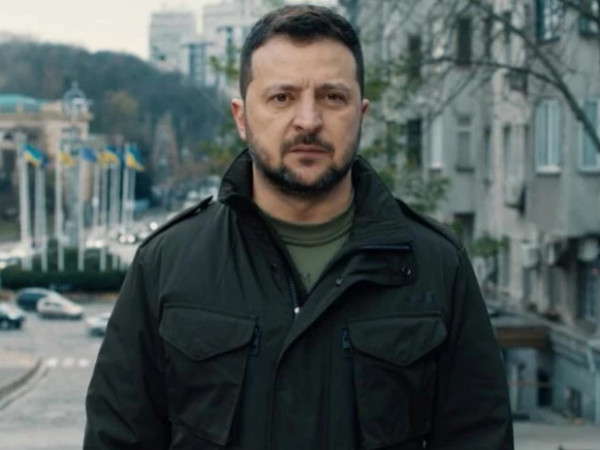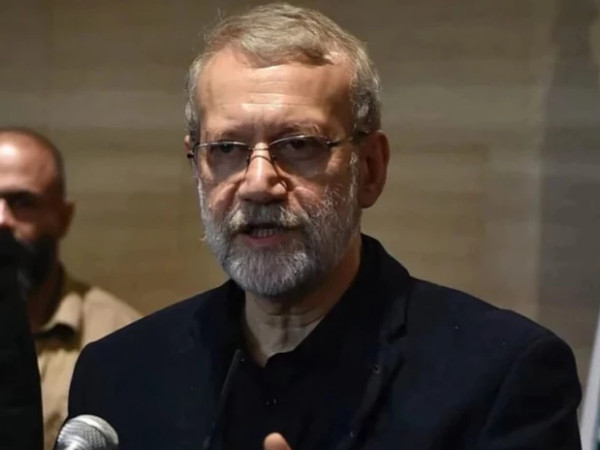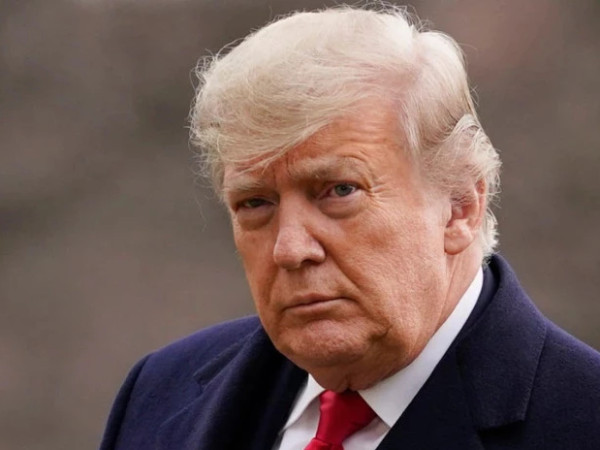


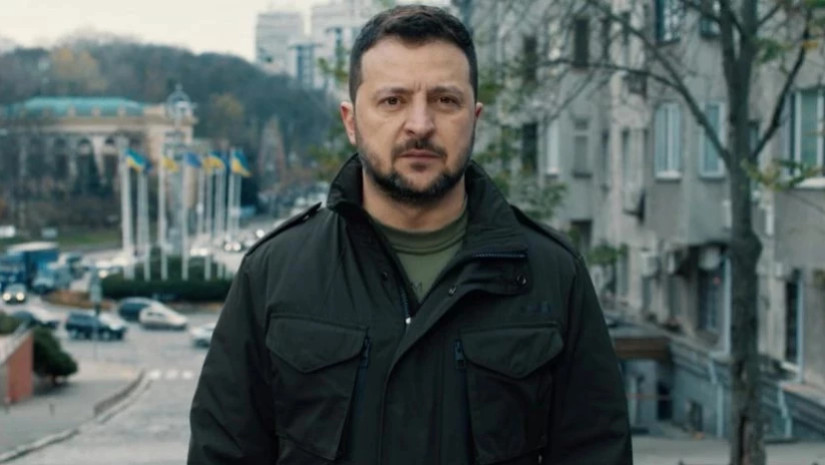
President Volodymyr Zelensky on March 18 urged U.S. President Donald Trump and U.K. Prime Minister Keir Starmer to meet and find common ground, amid growing political divisions between the two leaders over the war in Iran.
Speaking after talks with Starmer in London, Zelensky said in an interview with the BBC that he would not tell Trump what to do but emphasized the need for dialogue.
"I would really like President Trump to meet with Starmer… so that they have a common position," Zelensky said, suggesting the meeting could help "re-load the relationship."
His remarks come as Trump escalated his criticism of the prime minister over his refusal to send warships to help reopen the Strait of Hormuz amid the U.S. war with Iran.
Trump called Starmer "no Winston Churchill" and said that while the British leader is a "nice man," he is "disappointed" in him.
Starmer pushed back, insisting that the U.K. would not be drawn into a wider war.
Zelensky warned against divisions among Western allies, expressing concern that rising tensions and disagreements risk weakening coordinated support for Ukraine.
He also said he had a "very bad feeling" about the broader geopolitical situation, arguing that the war in Iran is diverting global attention away from Ukraine and delaying potential solutions.
"Negotiations towards peace are being constantly postponed. There is one reason — war in Iran," Zelensky said.
Negotiations between Ukrainian and Russian officials mediated by the U.S. are now "really in the danger zone," one senior European official told the Financial Times on March 15, while another diplomat warned that the Middle East crisis had "severely reoriented political attention" away from Ukraine.
The last round of trilateral talks between Kyiv, Moscow, and Washington took place in Geneva on Feb. 17–18, while another meeting scheduled for March 5 in Abu Dhabi was postponed following U.S.-Israeli strikes on Iran and has not yet been rescheduled.
European officials also warned that U.S. weapons shipments — particularly air defense systems — could be delayed as Washington prioritizes military resources for the Middle East, with EU foreign policy chief Kaja Kallas saying there is now "competition for the same assets" between Ukraine and regional partners.