

Abbas Aragchi confirmed free passage for friendly countries through the strategic strait. The UN warns of a threat to global gas and fertilizer supplies.
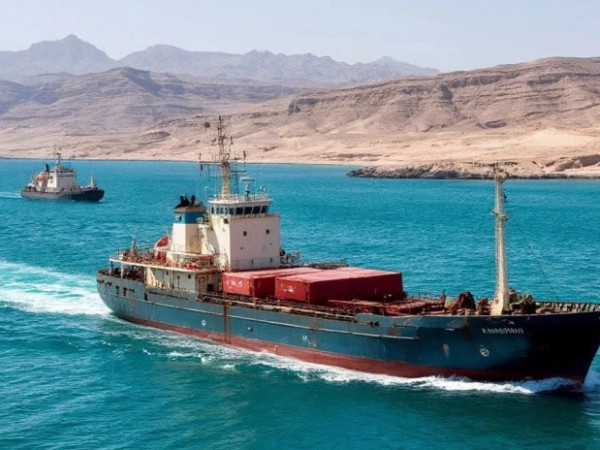
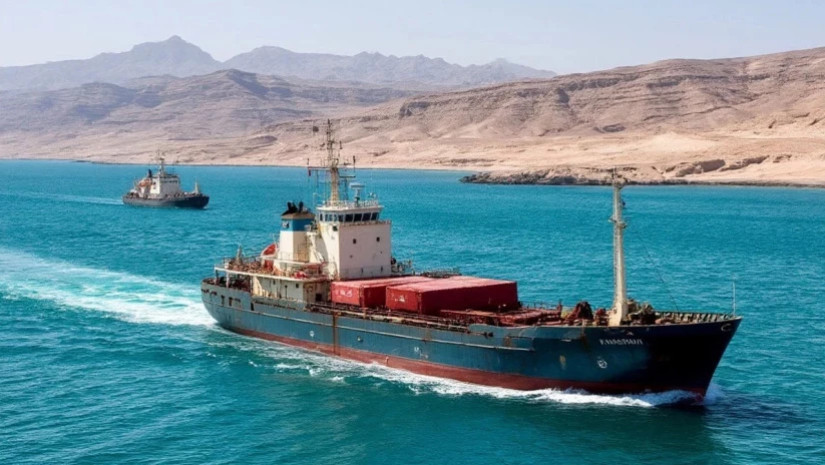
Iran's Foreign Minister Abbas Aragchi stated that the Strait of Hormuz is open to Russia, China, India.
According to the publication, regarding the Strait of Hormuz, which "Iran closed to enemies and their allies since the beginning of aggression late last month," Aragchi stated that "this strategically important waterway remains open to friendly countries."
"We have allowed some countries that we consider our friends to pass through the Strait of Hormuz. We have allowed China, Russia, India, Iraq, and Pakistan to pass," Aragchi said.
"We have no reason to allow our enemy to pass through the Strait of Hormuz," he added.
Meanwhile, UN Secretary-General António Guterres stated that Iran's closure of the Strait of Hormuz threatens the transportation not only of oil and gas but also of fertilizers during the world's planting season.
"The continued closure of the Strait of Hormuz will paralyze the movement of oil, gas, and fertilizers at a critical moment of the global planting season," UN Secretary-General Guterres said in a statement on X.
He said that civilians in the region and beyond are suffering, and that the UN is trying to minimize the consequences of the war.
"And the best way to minimize these consequences is obvious: immediately stop the war," Guterres wrote.
About a third of the world's maritime trade in fertilizers, as noted by NBC News, passes through the Strait of Hormuz, as stated on March 10 by the UN Conference on Trade and Development, warning of disruptions caused by the war that began on February 28 with US and Israeli strikes.
Gas prices are also driving up fertilizer prices, the statement said, and these disruptions are raising concerns about access for some of the poorest countries.