

The Organization of the Petroleum Exporting Countries (OPEC) has agreed to increase oil output quotas by 206,000 barrels per day for May, a rise that is largely symbolic as some of its key members are unable to raise production due to the US-Israeli war on Iran.
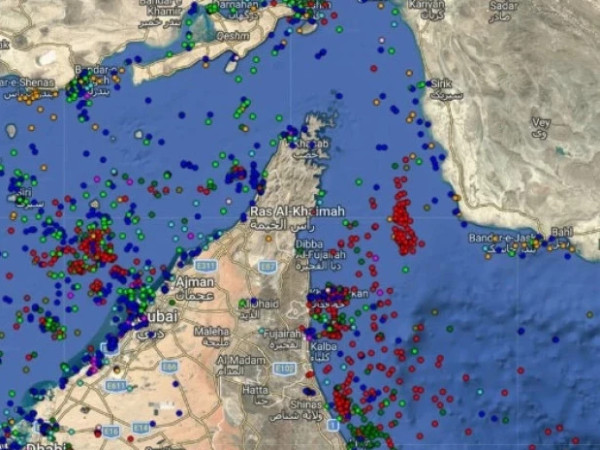
The war has effectively blocked the Strait of Hormuz – the world’s most important oil route – since the end of February and cut exports from OPEC+ members Saudi Arabia, the United Arab Emirates (UAE), Kuwait and Iraq.
In a statement on Sunday, eight members of OPEC+, including Saudi Arabia, Russia, Iraq, the UAE, Kuwait, Kazakhstan, Algeria, and Oman, agreed to increase May quotas during a virtual meeting.
“The countries will continue to closely monitor and assess market conditions, and in their continuous efforts to support market stability,” the statement read.
While the quota increase represents less than two percent of the supply disrupted by the closure of the strait, OPEC+ sources told the Reuters news agency that the pledge had signalled readiness to raise output once the waterway reopens.
Crude prices have surged to a four-year high amid the war, close to $120 a barrel, leading to higher prices for transport fuels.