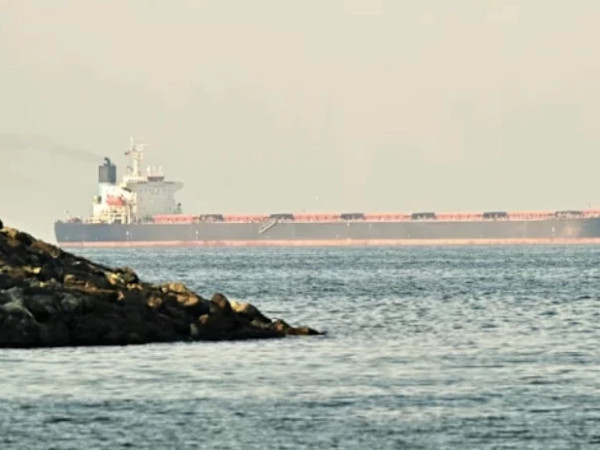


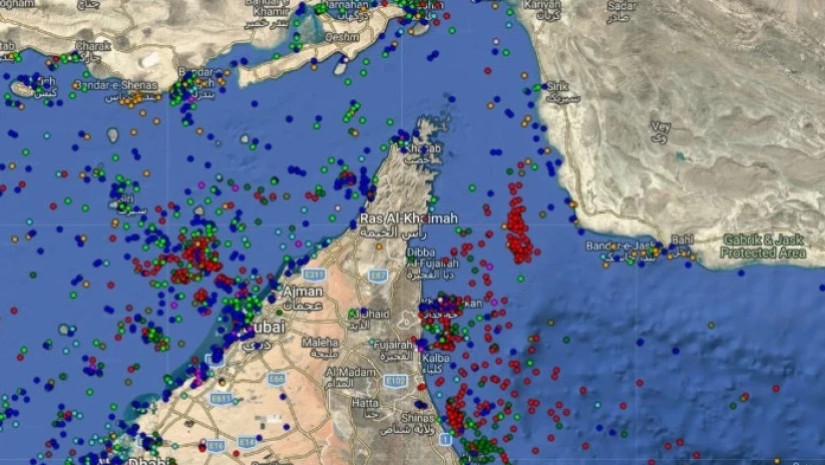
Five weeks since the US and Israel launched their attacks on Iran, control of the Strait of Hormuz remains firmly in Tehran’s grip, despite the economic shockwaves felt by governments around the world. According to Iran’s Fars News Agency, 15 ships were allowed to pass through the Strait in the past 24 hours (as of 2100 hrs GMT on 5 April).
Maritime analytics firm Windward reported a total of 20 transits of the Strait - 14 outbound and 6 inbound - in a 24 hour period on Sunday. This is the highest number of transits since war started on 28 February but only a seventh of the historic average of 138 per day.
Iran claims the Strait remains open except to vessels belonging to nations attacking Iran and nations supporting attacks on Iran. Iraqi vessels have been granted specific permission to transit the Strait, according to statements on Iran's state media. A statement from the Islamic Revolutionary Guard Corps Navy said the Strait will never return to its former state, especially for the US and Israel.
The exact form of the Strait's new state remains unclear but legislation is being prepared in Iran to impose fees on vessels transiting the Strait of Hormuz, a situation opposed by a recent meeting of governments. Oman is holding talks with Iran on passage of the key waterway and transits in recent days have seen two passages opening up - one controlled by Iran close to Larak Island and second much closer to Oman, which has been used by a number of Omani owned/managed vessels.