

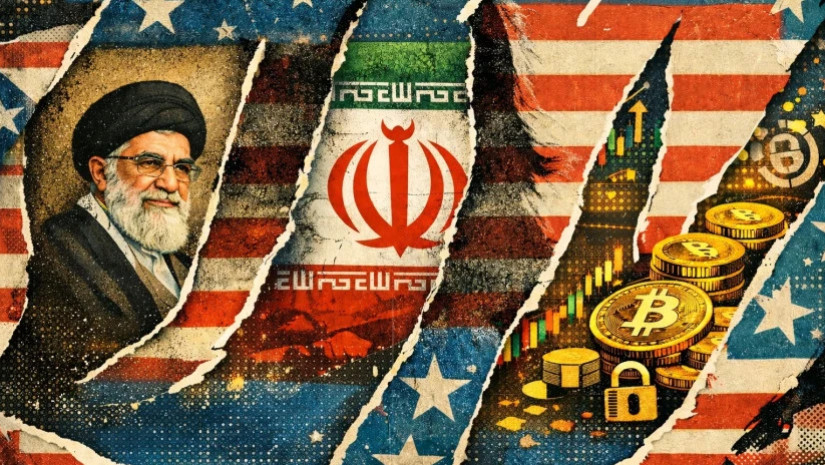
Iranians have increasingly moved their Bitcoin (BTC) from centralized exchanges (CEX) to self-custodial wallets amid the ongoing conflict with the United States, Israel, and the Middle East countries.
According to Chainalysis’s on-chain data analysis, Iranian CEXs recorded a sharp uptick in BTC outflows between February 28, 2026, and March 2, 2026. The geopolitical shock and domestic unrest in Iran have pushed Iranians to use Bitcoin to hedge against the highly devalued Rial.
According to a report from Chainalysis, by March 2, total Bitcoin outflows from Iranian crypto exchanges since February 28 reached approximately $10.3M, with hourly outflows surging as much as 873% during peak early-morning activity.
Earlier this year, Chainalysis reported that crypto activity in Iran spiked during major domestic and regional shocks. Interestingly, the onchain analysis firm noted that the Iranian crypto ecosystem has grown to a whopping $7.8 billion, catalyzed by macroeconomic uncertainty.
After a close analysis of recent Bitcoin withdrawals by Iranians from CEXs, on-chain sleuths highlighted that more investors have moved to personal wallets.
Specifically, Chainalysis noted that transactions from Wallex to other wallets surged for BTC holders with a balance of between $10k and $100k. A similar trend was recorded for other exchanges, including Bitpin and Nobitex.
Nonetheless, Chainalysis highlighted that it is still early to understand Bitcoin transfers from crypto exchanges to self-custody wallets. Furthermore, the firm highlighted that CEXes could use operational risk management to navigate potential cyber threats.