

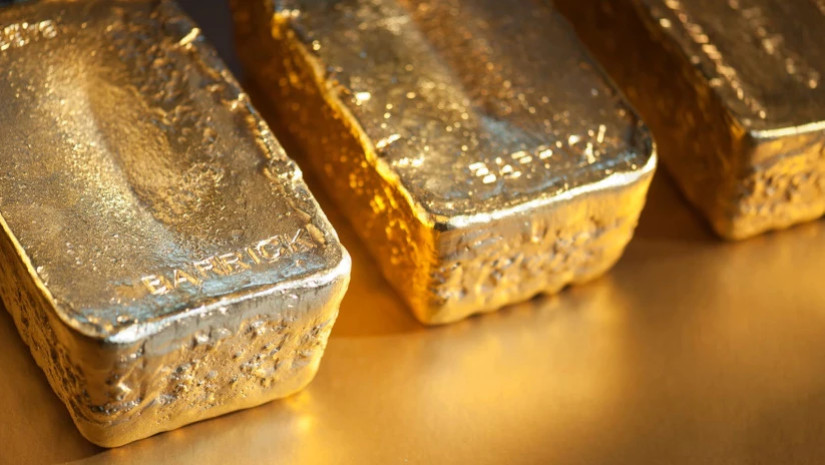
Gold accounted for 27% of foreign reserves held by central banks worldwide at the end of 2025, according to the European Central Bank. This marks an increase from 20% a year earlier.
The precious metal’s share exceeded that of U.S. Treasurys, which stood at 22%, and the euro at 15%. Other dollar-based reserves made up 20% of central bank holdings.
The rise in gold’s share was driven primarily by surging prices rather than new purchases by central banks. Gold prices climbed more than a third over the past 12 months, making the metal more expensive for reserve managers.
Central bank appetite for adding to gold holdings weakened as prices rose, the ECB said. After years of strong buying activity, institutions pulled back on new acquisitions.
Turkey sold or loaned a significant amount of gold earlier this year to defend its currency following attacks on Iran by the U.S. and Israel, according to the ECB.
Global gold demand increased 2% year-on-year to 1,230.9 metric tons in the first quarter of 2026, the World Gold Council said in April. A surge in purchases of gold bars and coins, along with 3% growth in central bank buying, offset a 23% decline in jewellery demand.
China’s central bank has been loading up gold for nearly 2 years now as it bought more gold for an 18th straight month, with its reserves amounting to 74.64 million fine troy ounces by the end of March, versus the previous month’s 74.38 million.
The value of the country’s gold reserves stood at $344.17 billion at the end of last month, up from $342.76 billion a month earlier, data from the People’s Bank of China showed last week.