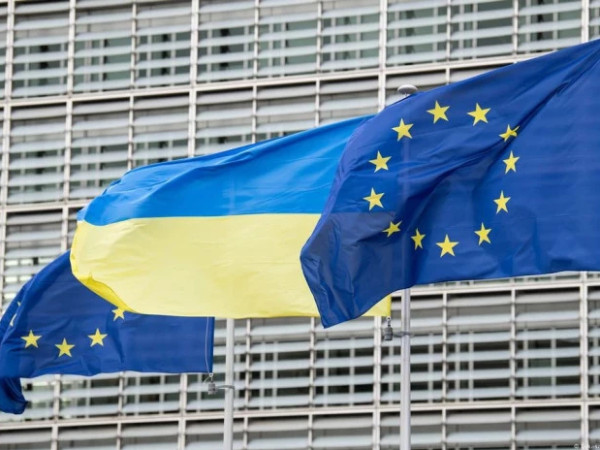


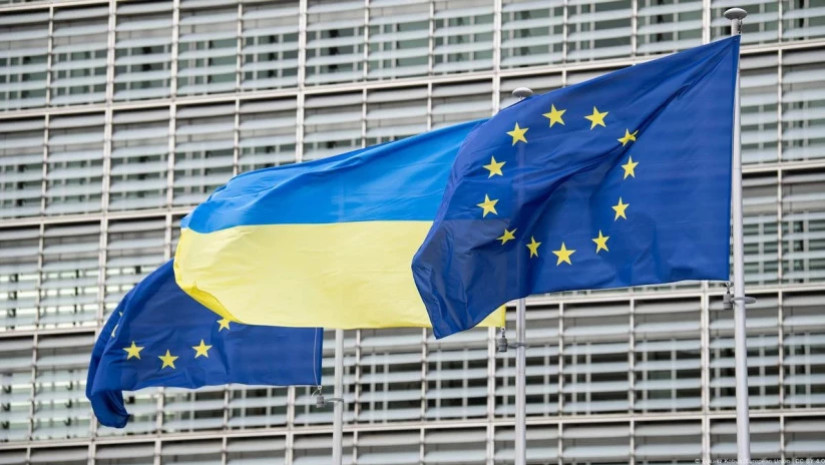
EU leaders have agreed to raise a €90bn loan to fund Ukraine for the next two years, but stopped short of adopting a proposal to use tens of billions of euro in frozen Russian assets to underwrite a long-term funding package.
Belgium, which hosts the bulk of the Russian assets via the securities company Euroclear, had sought open-ended guarantees that it would not be exposed should Russia launch a successful legal claim against the use of its assets.
The deal was struck in Brussels in the early hours of the morning.
EU leaders were yesterday initially looking at two options to ensure Ukraine does not run out of money in the second quarter of next year.
One was to raise a loan on the international markets backed by unused funds in the EU budget, the second was to use up to €210bn of immobilised Russian assets.
As the day progressed it looked like the latter option was the main focus.
Technical teams worked non stop to find ways to provide financial guarantees to Belgium should, what has been described as the highly unlikely scenario of Russia winning an international arbitration case that could be enforced in the European Union, come to pass.
However, by late last night those efforts fell short. The other option was then revived - essentially joint EU debt backed by untapped funds from the seven year budget.
That had seemed unlikely as it would need the unanimous support of all member states.
However, Russia-friendly member states Hungary, Slovakia and now the Czech Republic agreed they would not block the move, so long as they were not involved in the joint debt option.
Last night, EU leaders insisted the Russian assets would remain frozen and that if Russia did not pay reparations to Ukraine in a post war scenario, then those assets could be used by Ukraine to repay the EU loan.
The agreement, which came after more than a day of talks at a summit in Brussels, offers Kyiv a desperately needed lifeline as US President Donald Trump pushes for a quick deal to end Russia's war.