

With the ban on used tire sales in some capital areas taking effect on January 1, 2026, protests and fines for some sellers have already occurred, and in light of all this, the predictions are not looking good.
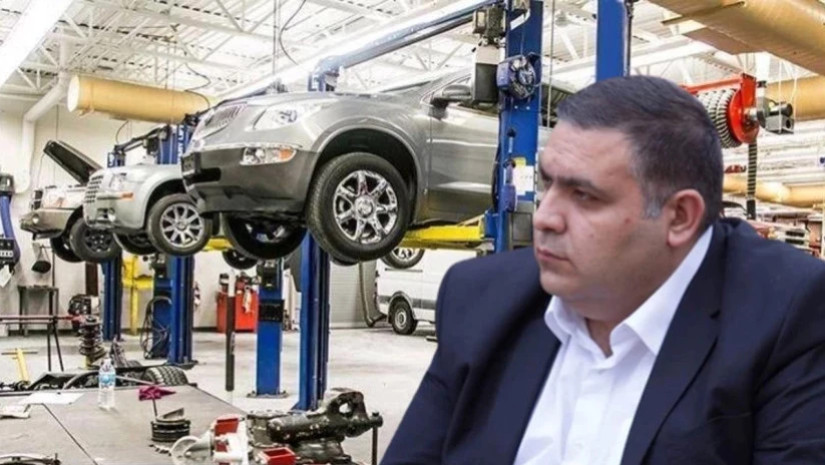
Alexander Noniadze, Chairman of the Association of Auto Importers, told Сommersant radio that prices will rise once these objects are no longer available. He also pointed out that transportation costs are a component of any product's price. So, if tires get pricier, so will spare parts, and if transport costs increase, then everything will cost more.
The key factors are how much prices will surge, how many people will lose their jobs, how unemployment will impact the population's ability to buy, and how much prices for transportation and other goods will climb.
Tbilisi has designated zones that currently house markets for tires, batteries, and used spare parts; these locations ought to be relocated. If used tires are an environmental threat in the heart of Tbilisi, why wouldn't they be a danger in the suburbs too? These processes must be regulated. A lot of people are saying these rules were postponed for several years, and I agree because our association was directly involved in this process. They were enacted in 2026 instead of 2020. In fact, we're grateful for the delay, but it has unfortunately created false expectations among businesses that the delay would be even more extensive. So, it would have been better to start talking about this a year ago, not a month ago. They should have said: 'We're launching a reform, you're moving from here to there, here are the conditions, and these people would have taken the necessary steps ," says Alexander Noniadze.