

For most of Russia’s years-long war against Ukraine, Russian civilians have been relatively insulated from Kyiv’s attacks. That is changing.
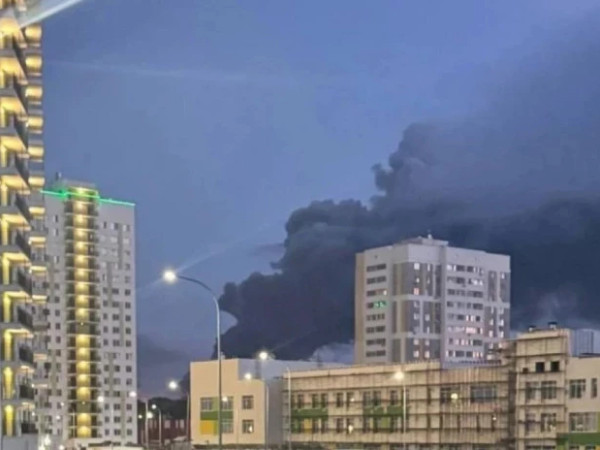
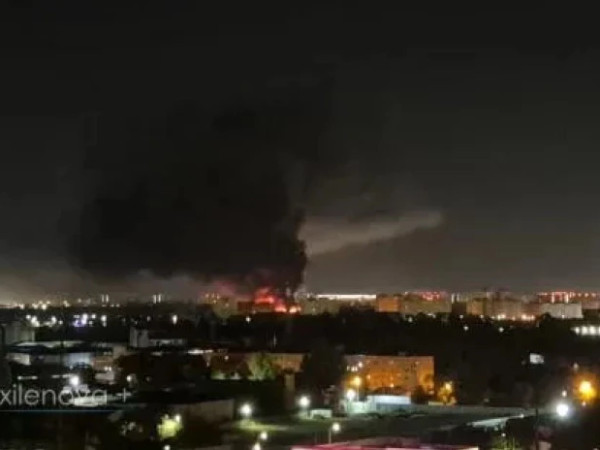
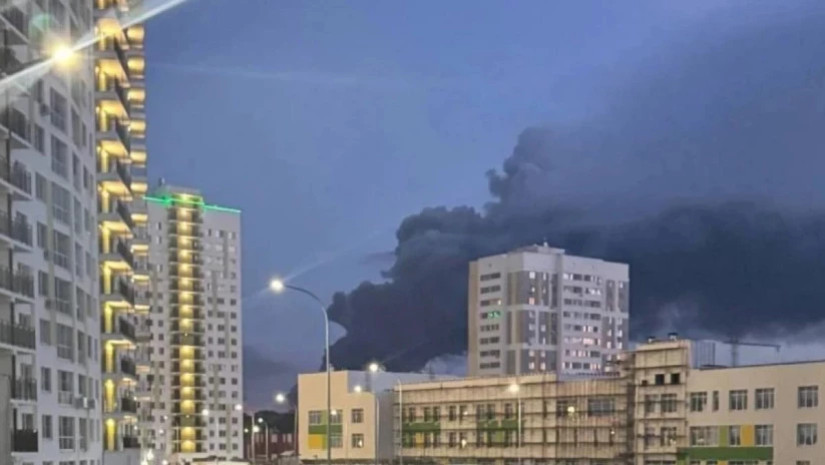
Since July, Kyiv has broadened its long-range drone campaign beyond conventional military targets, intensifying strikes on Russia’s oil and gas industry and hitting the vast warehouses of Wildberries, Russia’s answer to Amazon.
While these are primarily intended to cause economic damage, in the words of Volodymyr Zelenskyy, “to bring the war back home – to Russia,” they also mark another important shift. Ukrainian authorities are increasingly seeing Russian civilian casualties as a price they are prepared to pay for taking the war deeper into enemy territory.
The numbers help illustrate the change. In 2025, Ukrainian attacks inside Russia killed 253 civilians, according to the United Nations, which says it was not able to independently verify the numbers. This year, in the month of July alone, Russian authorities reported that 79 civilians were killed and 601 injured, a marked increase in the casualty rate.
Zelenskyy has said that Wildberries is a legitimate target because it has been “used by the aggressor to ensure the supply of sanctioned components for the production of drones and navigation equipment.” Russian soldiers supplement their equipment by purchasing items from Wildberries.
Kremlin spokesman Dmitry Peskov has denied accusations from Ukraine that Wildberries handles military supplies but conceded to journalists that “the situation is indeed difficult” for the company.
There is no indication that Ukraine is deliberately targeting civilians — even as Russia continues to hit apartment buildings, hospitals, schools and other civilian infrastructure with ballistic missiles and drones. And yet, there is no indication that the rising civilian toll in Russia is causing Kyiv to reconsider its approach.