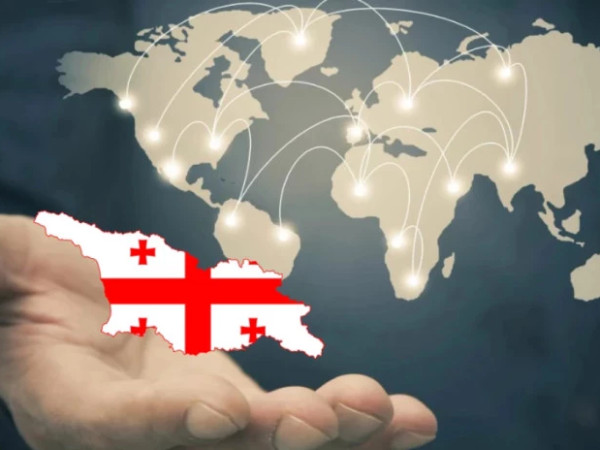


Amid the global realignment of trade routes, Kazakhstan is actively reassessing its logistical priorities. The flagship of this strategy is the Trans-Caspian International Transport Route (TITR), better known as the Middle Corridor. In this emerging geoeconomic architecture, Georgia plays a pivotal role as the connecting link between Asia and Europe.
Historically, Kazakhstan's export and transit flows were heavily tied to northern routes. However, recent geopolitical instability, supply chain disruptions, and sanction regimes have underscored the risks of relying on traditional channels.
For Astana, route diversification has evolved into a matter of national economic resilience and strategy:
- Mitigating Transit Risks: Creating reliable alternative paths that bypass bottleneck regions.
- Direct Access to the EU: Slashing delivery times for goods traveling from China and Central Asia to Europe.
Within the Middle Corridor ecosystem, Georgia operates as a central transit and consolidation hub. Freight crossing the Caspian Sea and moving through Azerbaijan enters Georgian territory, where it is routed either overland into Turkey or by sea to EU Black Sea ports in Romania and Bulgaria.
- Poti Sea Port: A joint multimodal terminal with a capacity of up to 120,000 TEUs per year directly links Chinese dry ports to the Black Sea.
- Batumi Oil Terminal: Facilitates the transit of Kazakh crude oil and refined petroleum products to European markets, bypassing traditional northern pipelines.
- Baku–Tbilisi–Kars Railway: Following recent modernization, the line's throughput capacity reached 5 million tons per year, enabling seamless rail connectivity directly into Turkey.
Bilateral cooperation has extended well beyond standard trade agreements. Kazakh and Georgian logistics enterprises, alongside Azerbaijani partners, are actively executing a Roadmap to Eliminate Bottlenecks. The nations are integrating unified digital tracking services, aligned tariff structures, and accelerated customs clearance procedures.
By 2027, total throughput along the Middle Corridor is projected to reach 10 million tons annually. For Kazakhstan, its strategic partnership with Georgia represents far more than a simple transit bypass—it is a long-term anchor for integrating Central Asia into global trade networks.
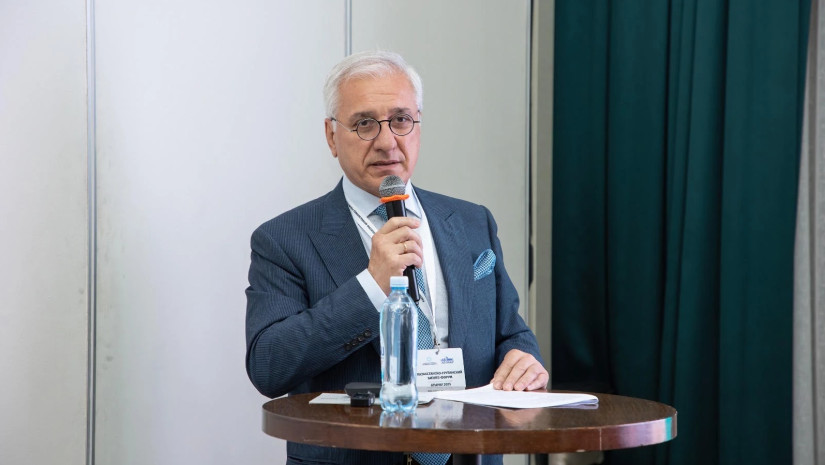
Source: Levan Baghdavadze - Honorary Consul of the Republic of Kazakhstan in Georgia / Samtskhe-Javakheti and Imereti