

President Donald Trump signaled the U.S. would provide military escorts and war insurance to oil tankers transiting the Strait of Hormuz after the Iranian Revolutionary Guard Corps threatened to attack vessels in the strategic waterway crucial to the world’s natural gas and oil network.
“Effective IMMEDIATELY, I have ordered the United States Development Finance Corporation (DFC) to provide, at a very reasonable price, political risk insurance and guarantees for the Financial Security of ALL Maritime Trade, especially Energy, traveling through the Gulf. This will be available to all Shipping Lines. If necessary, the United States Navy will begin escorting tankers through the Strait of Hormuz, as soon as possible. No matter what, the United States will ensure the FREE FLOW of ENERGY to the WORLD. The United States’ ECONOMIC and MILITARY MIGHT is the GREATEST ON EARTH — More actions to come,” Trump said in a Truth Social post.
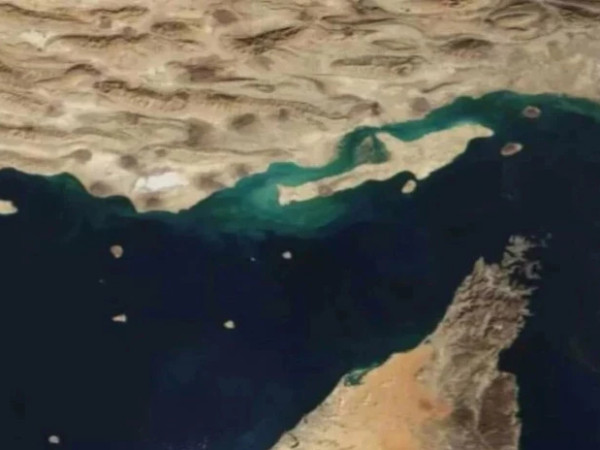
The announcement comes one day after Iranian state media reported Iranian forces would enforce a closure of the strait in response to the U.S.-Israel attacks on Iran, which launched Saturday and continue to target the country’s regular and sectarian naval forces. Over the last several decades, the Iranians have built a vast inventory of sea mines designed to block the flow of crude from the Gulf States for export in an attempt to seize control of the strait. Iran’s sectarian Iranian Revolutionary Guard Corps Navy is responsible for maintaining control of the waterway for Tehran and have intermittently attacked, harassed and seized ships transiting the strait.
A Pentagon spokesperson referred USNI News to the post on Truth Social when asked for additional information on Tuesday afternoon.
U.S. allies Saudi Arabia, Qatar, Kuwait, United Arab Emirates and Bahrain rely on the Strait of Hormuz to export petroleum products like crude oil and natural gas. Collectively, the region is responsible for a quarter of the world’s oil and gas production.
While the Trump administration is calling for tanker protection, the U.S. Navy told shipping industry leaders that the sea service does not have naval availability to provide escorts through the Strait of Hormuz, maritime and shipping intelligence service Lloyd’s List reported Tuesday.
As of Monday, the U.S. had nine guided-missile warships deployed to the Arabian Sea along with three Littoral Combat Ships that are forward deployed to Bahrain, according to USNI News Fleet and Marine Tracker.
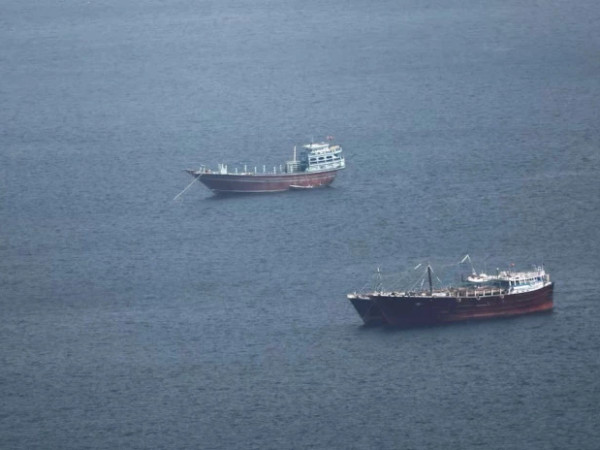
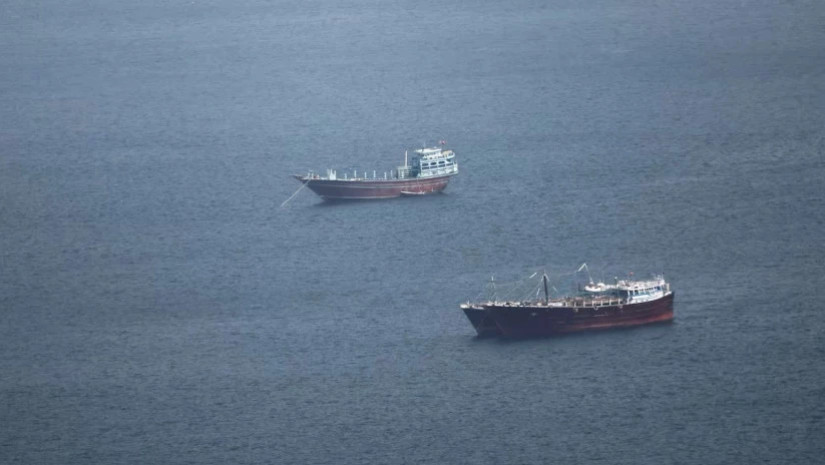
Iran claims that the Strait of Hormuz is closed to traffic, however the decision to avoid the strait has come from shipping companies that are choosing to send ships elsewhere due to the inability to get war insurance. Shipping companies like Maersk, Hapag-Lloyd and MSC have opted to avoid the strait, according to The Associated Press. The shipping companies also avoided the Red Sea during the Houthi attacks.