

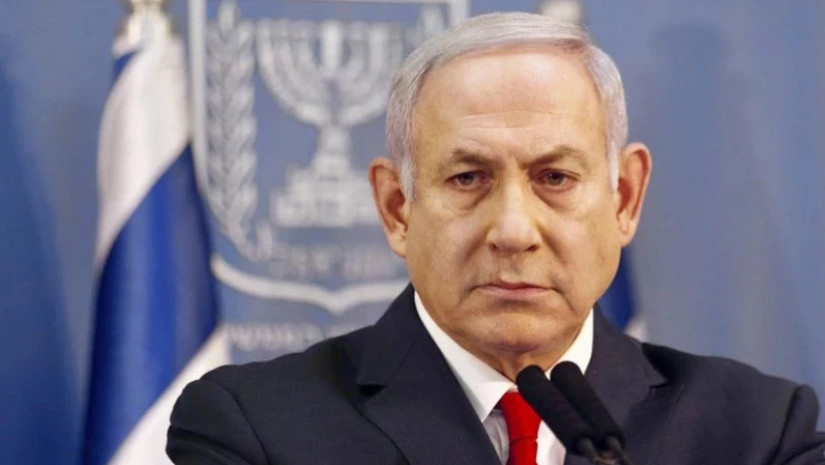
Israeli Prime Minister Benjamin Netanyahu said the war with Iran is “not over” because Tehran still possesses enriched uranium that must be removed.
“I think it accomplished a great deal. But it’s not over because there’s still nuclear material, enriched uranium, that has to be taken out of Iran,” Netanyahu told CBS News in an interview with chief Washington correspondent Major Garrett that aired Sunday.
Asked whether the uranium would be removed by force, he declined to discuss military plans.
“You’re going to ask me these questions. I’m going to dodge them because I’m not going to talk about our military possibilities, plans, or anything of the kind,” he said.
Netanyahu said the objectives of the US-Israeli campaign against Iran include dismantling its enrichment infrastructure and preventing it from rebuilding its missile and proxy networks.
“There are still enrichment sites that have to be dismantled,” he said, adding that Iran’s capabilities had been significantly degraded but not eliminated.
Netanyahu said that if there is an agreement, “you go in and you take it out,” referring to Iran’s enriched uranium stockpile, but declined to discuss possible military action.
“Well, I'm not gonna talk about military means, but what (US) President (Donald) Trump has said to me, ‘I want to go in there,’” he said.
“I’m not going to give a timetable to it, but I’m going to say that’s a terrifically important issue,” he added.
On Saturday, Israeli media reported that Trump assured Netanyahu that he would not make concessions regarding Iran’s uranium stockpile as Tel Aviv awaits Washington’s next steps toward Tehran.
Israel’s Channel 13, citing an unnamed official, said Israel is “continuously awaiting and anticipating” Trump’s decision on Iran.
Early Sunday, Iran sent its response to the latest US peace plan through Pakistani mediators, according to Iran’s state-run IRNA news agency.
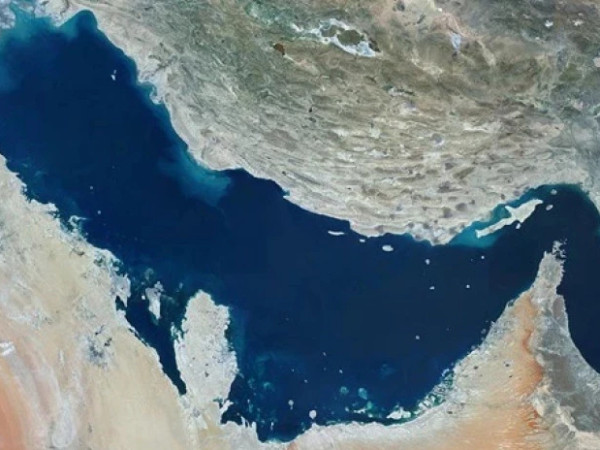
Iran’s latest counterproposal to the plan calls for compensation from the United States and stresses Tehran’s sovereignty over the Strait of Hormuz, Iranian state broadcaster Press TV reported early Monday.
The report said it also demands an end to sanctions and the release of Iranian assets frozen abroad.
Tehran rejected the US plan because it would have required submission to Trump’s “excessive demands,” the report said.
Iran’s response also emphasized the “fundamental rights of the Iranian nation.”
Regional tensions have escalated since the US and Israel launched strikes against Iran on Feb. 28, triggering retaliatory attacks by Tehran against Israel and US allies in the Gulf as well as the closure of the Strait of Hormuz.
A ceasefire took effect on April 8 through Pakistani mediation, but talks in Islamabad failed to secure a permanent agreement. Trump later extended the truce without setting a deadline, allowing diplomatic efforts to continue.