

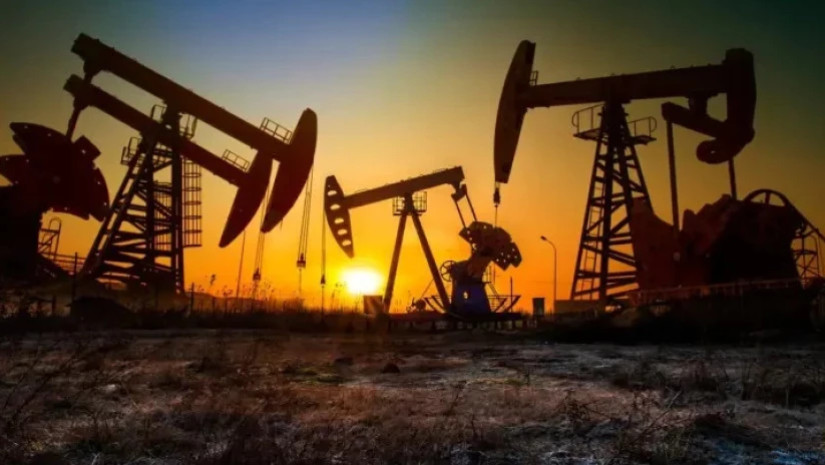
The European Commission will submit legislation for a permanent ban on Russian oil imports on April 15, three days after parliamentary elections in Hungary, Reuters reports, citing a draft document and EU officials.
According to two sources, this timing was chosen to prevent the oil ban from becoming a central issue in Hungary’s election campaign. Hungary and Slovakia, still dependent on Russian oil imports, remain firmly opposed to any ban, UATV English reports.
Brussels intends to enshrine a full halt to Russian oil imports in law, which would remain in effect even if a peace deal in Ukraine leads to the lifting of EU sanctions on Russia.
The draft agenda obtained by Reuters indicates that the European Commission plans to propose the ban on April 15. The EU agenda is preliminary, and the date may still change.
The government of Hungary’s Viktor Orbán, which has maintained friendly ties with Moscow since Russia’s full-scale invasion of Ukraine in 2022, has vetoed new EU sanctions on Russia and blocked a large loan to Kyiv over a dispute concerning the Druzhba oil pipeline.
The EU is expected to bypass any attempts by Hungary and Slovakia to block the permanent oil import ban by using a procedure that allows approval by a qualified majority of member states.
EU Energy Commissioner Dan Jørgensen stated that the proposal envisions a gradual end to Russian oil imports no later than the end of 2027.
Earlier, EU might also implement a full ban on maritime services for Russian oil tankers without G7 support.
Hungary’s Foreign Minister Péter Szijjártó said his government would block approval of the EU’s 20th sanctions package against Russia until the Druzhba oil transit is restored.
High Representative of the EU for Foreign Affairs and Security Policy Kaja Kallas emphasized that the EU wants to hear from Hungary on what grounds it links support for the sanctions package against Russia to issues unrelated to it.