


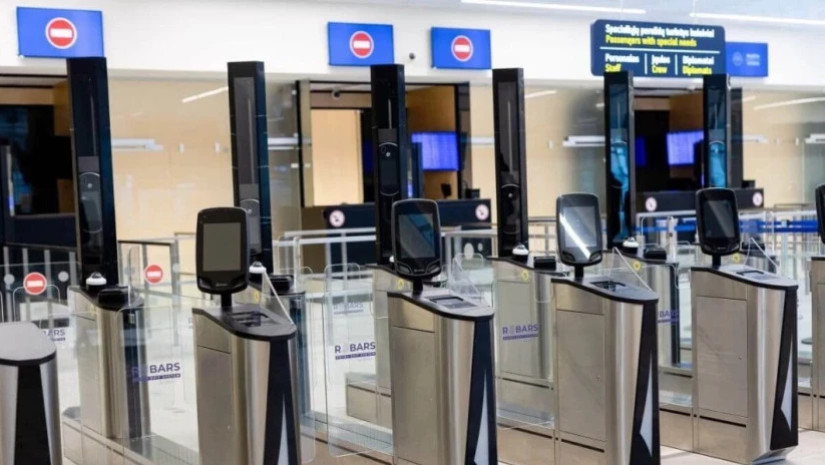
The launch of the European Union’s (EU) Entry/Exit System (EES) might be delayed again, sparking concerns about whether some EU countries are ready and how it will impact travelers.
Since the system will collect biometric data at borders, many are curious about how this delay will affect visitors, migrants, and immigration policies.
The EES, designed to streamline border controls by recording biometric data, including fingerprints and facial recognition, was set to launch on November 10th, 2024 after several days.
However, as reported by multiple sources, it may face further delays. According to The Guardian, at least three EU countries are not fully prepared for the system’s implementation.
The delay stems from the fact that several EU countries, such as Belgium and France, are still unprepared for the technological infrastructure needed to support the EES.
The Guardian reports that these states may not be able to introduce the advanced biometric systems required by the EES.
While some member states are ready to go live, these gaps in readiness across the bloc create logistical challenges that necessitate pushing back the launch.
The Entry/Exit System (EES) is part of the EU’s plan to update how it manages its borders.
It will collect biometric data, like fingerprints and facial scans, from people entering and leaving the Schengen Area.
The goal is to improve security, cut down on people staying illegally, and speed up border checks. This system applies to non-EU travelers, such as tourists, migrants, and visa holders, and their data will be saved for future trips in the region.
The delays in launching the EES will mainly impact short-term visitors like tourists and business travelers. People used to quick border crossings in the Schengen Area might face more detailed checks once the biometric system is fully up and running.
While the system aims to make border crossings faster in the future, there could be longer lines at airports and land borders during the adjustment period.
Travelers heading to popular spots like France or Italy should expect possible delays once the system starts.
For long-term visitors, like those coming for work or study, the EES adds more oversight. Migrants who stay longer than their visas allow will be more easily tracked by the system, which could lead to more deportations for overstayers.
The EES might also make things more difficult for migrants seeking asylum, as their data will be more thoroughly checked against EU databases.
Additionally, the EES will work alongside the European Travel Information and Authorization System (ETIAS).
Once both systems are active, visitors will need to register for ETIAS approval and provide biometric data when they enter, adding extra layers of monitoring for non-EU travelers.