


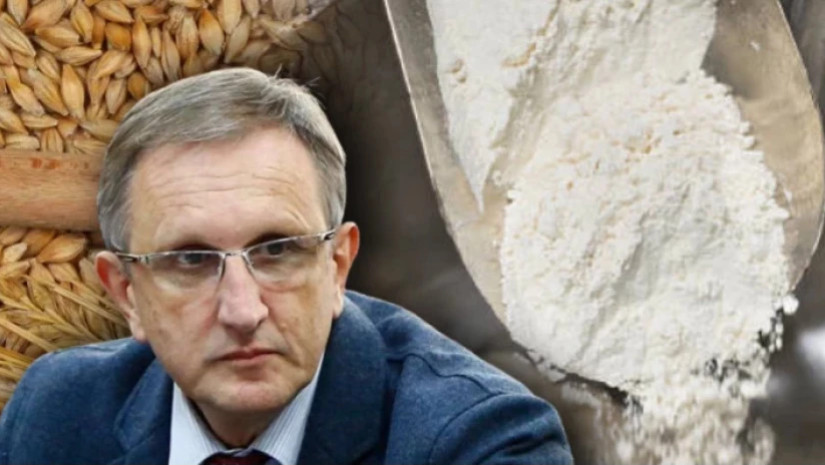
On the air of Commersant radio, Levan Silagava, head of the Association of Wheat and Flour Producers, spoke about the situation in the industry in light of the current events in Iran. He noted that at this stage, the price of premium flour in Georgia is around 53 GEL, which is quite far from the threshold of 62 GEL that might trigger a rise in bread and bakery product prices.
"Overall, no matter how many wars there are, the world still approaches food and food logistics differently. During conflicts, countries always want to set up humanitarian corridors. Let's hope the conflict ends soon, aall the supply chains will be re-established, and things will return to normal. But if the conflict drags on, this will, of course, raise logistical costs due to the higher insurance premiums required for conflict zone transit. Other challenges exist too. Transportation costs have already gone up. It is true that we import wheat from Russia, but but this trend generally impacts the global market. When logistical prices go up, that's reflected accordingly and has a transmission effect. However, we don't have any problems with wheat imports," Levan Silagava notes.
According to him, wheat price growth is impacted by the rising prices of both oil and fertilizers.
When sowing wheat, a large amount of machinery is used, which requires diesel fuel to operate. Harvesting is also expensive. Furthermore, fertilizers are a very important factor, as their prices have surged significantly due to large shipments passing through the Strait of Hormuz. Consequently, these components have an impact on the cost of production. Furthermore, given cost hikes, planting this crop becomes less appealing. Analysts are already voicing concerns, stressing that the upcoming year promises to be challenging. It's difficult to provide an accurate forecast, as it all depends on future developments.
Bread prices in Georgia are expected to remain stable in the short term, possibly for two months. It’s worth mentioning that the price of first-quality flour is currently about 53 GEL, well below the critical level of 62 GEL that would trigger price hikes," says Levan Silagava.
"Transportation costs for wheat have already risen. Next year will be challenging," Levan Silagava adds.