

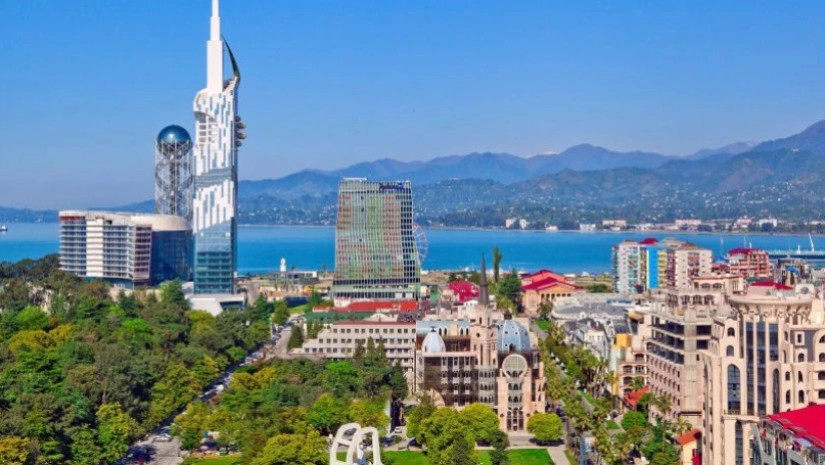
Primary sales in 2026 are expected to remain broadly flat, while secondary market transactions may rise, supported by a larger housing stock and increased activity.
Primary price growth is likely to slow to 4-6% y/y in 2026, down from 9.4% y/y growth posted in 2025. The gap between primary and secondary prices is unlikely to widen further. At the same time, average yield is expected to continue decreasing, amid growing prices and large number of ongoing projects, that are set to be completed in the coming years, adding extra rental stock.
Overall, 2026 presents a more cautious outlook than the 2025 rebound suggested. Several large-scale premium projects are set to launch, adding pressure to an already stretched absorption pipeline. Diversifying buyer base with new markets will be key, as the pace of new supply absorption and resilience of foreign demand will determine whether the market stabilizes or stumbles.
Recent escalation in Iran and related regional tensions pose near-term risk primarily through Israeli buyers – the fastest-growing foreign segment in Batumi at 13% of sales in 2025. However, they tend to seek safe-haven assets during extended instability, and Batumi, already familiar to them, could benefit in medium term.