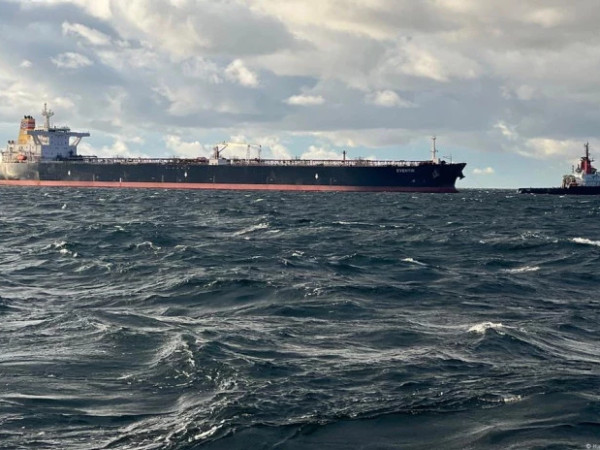


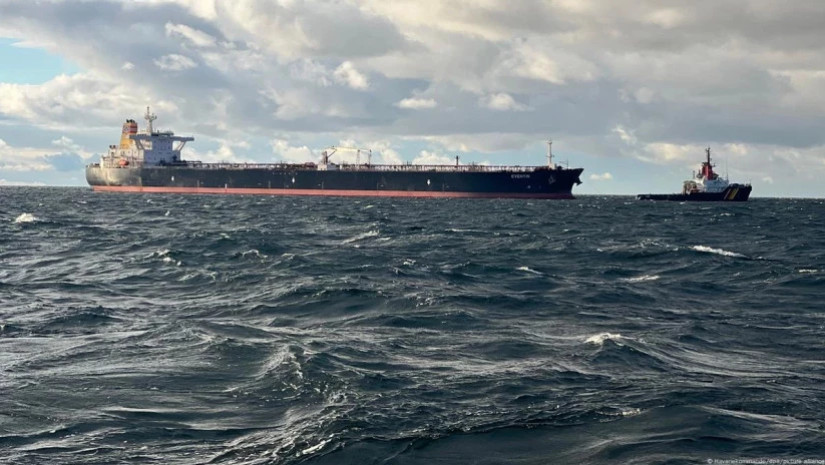
"Never." That's when a senior Iranian lawmaker says they'll be ready to give up their control of the Strait of Hormuz.
"It's our inalienable right," Ebrahim Azizi, a former commander in Iran's Islamic Revolutionary Guards Corps (IRGC), tells the BBC in Tehran. "Iran will decide the right of passage, including permissions for vessels to pass through the Strait."
And he says that's about to become enshrined in law.
"We are introducing a bill in parliament, based on article 110 of the constitution, which includes the environment, maritime safety and national security - and the armed forces will implement the law," says this member of parliament who heads the Committee for National Security and Foreign Policy.
As worry mounts about the closure of this strategic waterway causing growing economic shocks worldwide, it's becoming clear this is not a short-term crisis to be resolved in a day.
War has handed Tehran what it sees as a new weapon - Azizi described this highly strategic strait Iran has managed to weaponise during this conflict as "one of our assets to face the enemy".
Tehran now sees its ability to control the passage of vital maritime traffic, including critical oil and gas tankers, not just as a bargaining chip in current negotiations, but as long-term leverage.
"The first priority for Iran after the war is to restore deterrence and the Strait of Hormuz is among Iran's principal strategic leverages," explains Mohammad Eslami, a research fellow at the University of Tehran.
"Tehran is open to discussing how other nations can benefit from Iran's new framework for the strait, but control is the bottom line."