

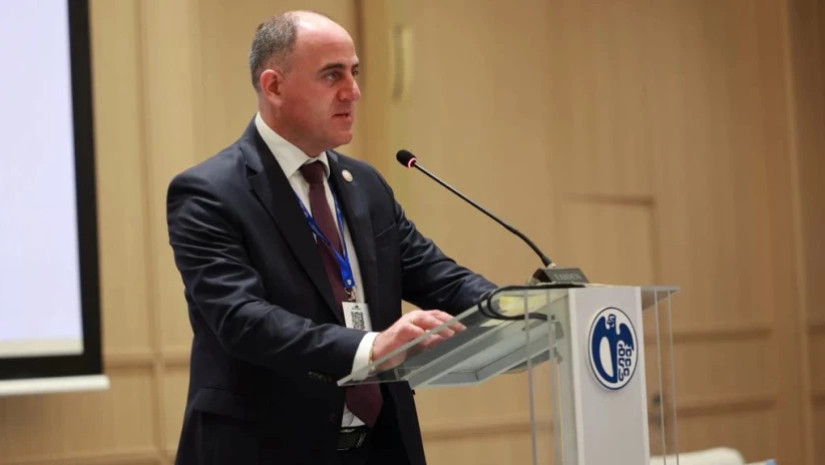
According to Davit Narmania, the main reasons for the increase in electricity supply tariffs are higher consumption, increased energy prices, and the country’s dependence on electricity imports during the autumn-winter months. He made these remarks to journalists after the session.
Narmania also explained that GNERC considered “only the optimal level of investment to gradually reduce network failures and improve electricity supply for both households and the commercial sector.”
“The Regulatory Commission at today’s session determined the residential and non-residential tariffs for both the capital and the regions. For households, the tariff increase is 5 tetri, while for the non-residential sector it ranges from 4 to 6 tetri depending on voltage levels. The main reason for the increase is higher consumption, higher energy prices, and the country’s dependence on electricity imports during autumn-winter. In addition, only the optimal level of investment was considered to gradually reduce network failures and improve electricity supply for both households and the commercial sector.
As a result, the investment volume has recently been adjusted and approved by the Regulatory Commission so that it does not have a major impact on tariffs. However, without these investments, the Commission believes the situation would deteriorate, with more failures and outages. This would harm both households and the commercial sector, as electricity interruptions cause significant losses. Therefore, the Regulatory Commission made a balanced decision today, and we expect that the tariff we set will remain stable for several years.
In the Telasi network in the capital, the approved investment volume over five years is 400 million GEL, averaging 80 million GEL per year. For the Energo-Pro network, the initially proposed annual investment was 300 million GEL, which has been adjusted to an average of 200 million GEL per year, totaling 1 billion GEL over five years.
Additionally, Energo-Pro, in consultations with the government, noted that over three years it will spend an additional average of 43 million GEL per year without requesting this amount to be included in the tariff. As a result, an additional 129 million GEL will be spent on improving consumer welfare in the regions without affecting the tariff.
Regarding subsidies for households, the government will make a statement. According to my information, even with the tariff increase, municipal subsidies from the government will continue,” Narmania said.
It is noted that at today’s GNERC session, it was decided that electricity tariffs for consumers in both Tbilisi and the regions will increase by 5 tetri. From April 1, tariffs for the commercial sector will also increase.