

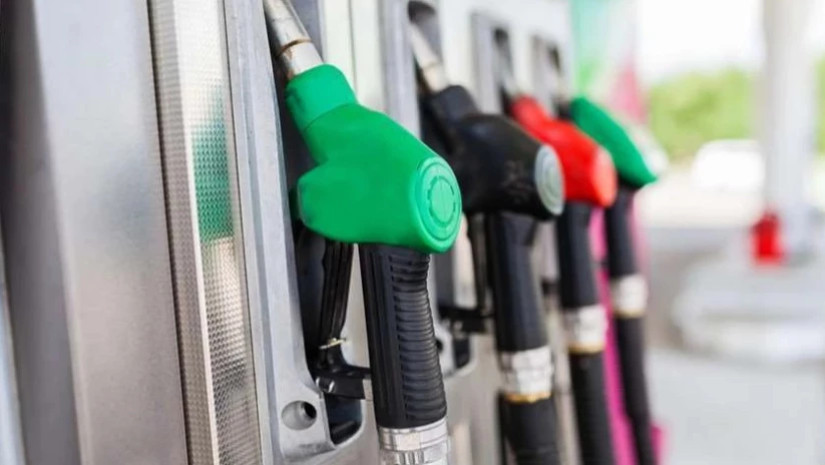
Russia plans to ban gasoline exports starting 1 April to maintain domestic supply stability and curb rising energy prices amid global market volatility.
Russian Deputy Prime Minister Alexander Novak has instructed the energy ministry to prepare regulations for the ban. State news agency TASS reported that the policy is expected to remain in effect until 31 July.
According to Reuters, the government said instability in the global oil market caused by the crisis in the Middle East has triggered significant price fluctuations.
At the same time, strong international demand for Russian energy continues to support the country’s energy sector.
Crude oil processing volumes are said to be roughly in line with last year, meaning fuel product supplies are considered stable.
However, several regions in Russia and areas of Ukraine under Moscow’s control recently experienced gasoline shortages, driven by increased attacks on oil refineries and seasonal spikes in demand.
Russia has imposed gasoline and diesel export restrictions several times to curb domestic price increases and prevent potential shortages.
Industry sources said Russia’s gasoline exports last year reached nearly 5 million metric tonnes, or around 117,000 barrels per day.
According to a decision by the Government of Georgia, the sale of plastic forks, knives, spoons, stirrers, plates, straws, drink mixers, as well as food containers made of expanded polystyrene (EPS), along with their lids, and plastic cups and their lids, is now prohibited.